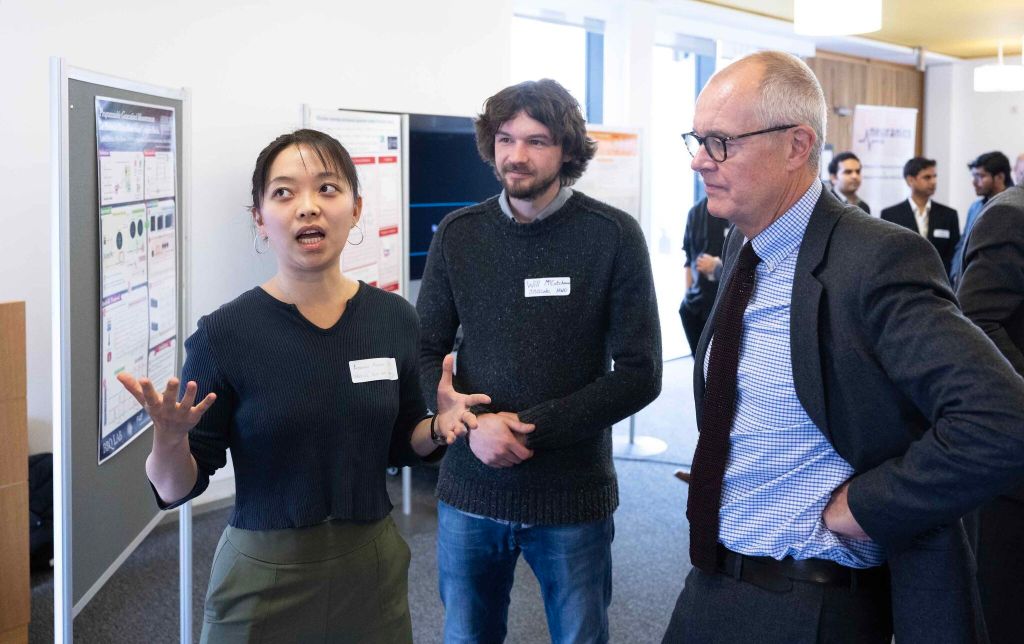
BBQ Lab members Dr. Will McCutcheon and Mariana Annameng Ma had the exciting opportunity to meet UK Science Minister Lord Patrick Vallance, along with a cohort of early career researchers from the Institute of Photonics and Quantum Sciences (IPaQS) at the Heriot-Watt University, here in Edinburgh. They presented our group’s research on the development of high-dimensional quantum technologies.
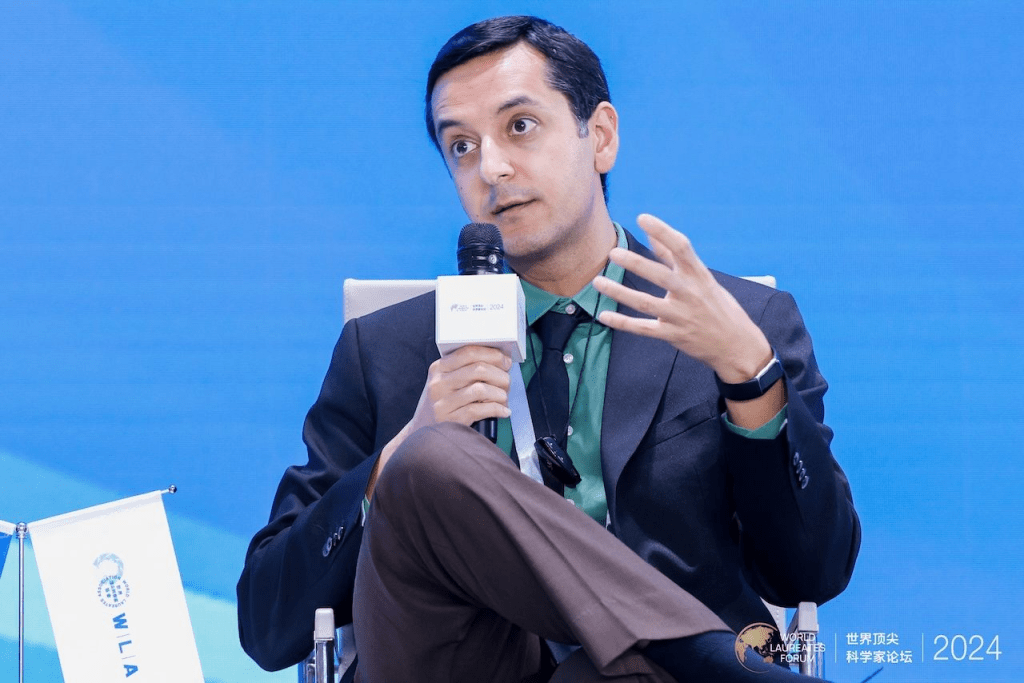
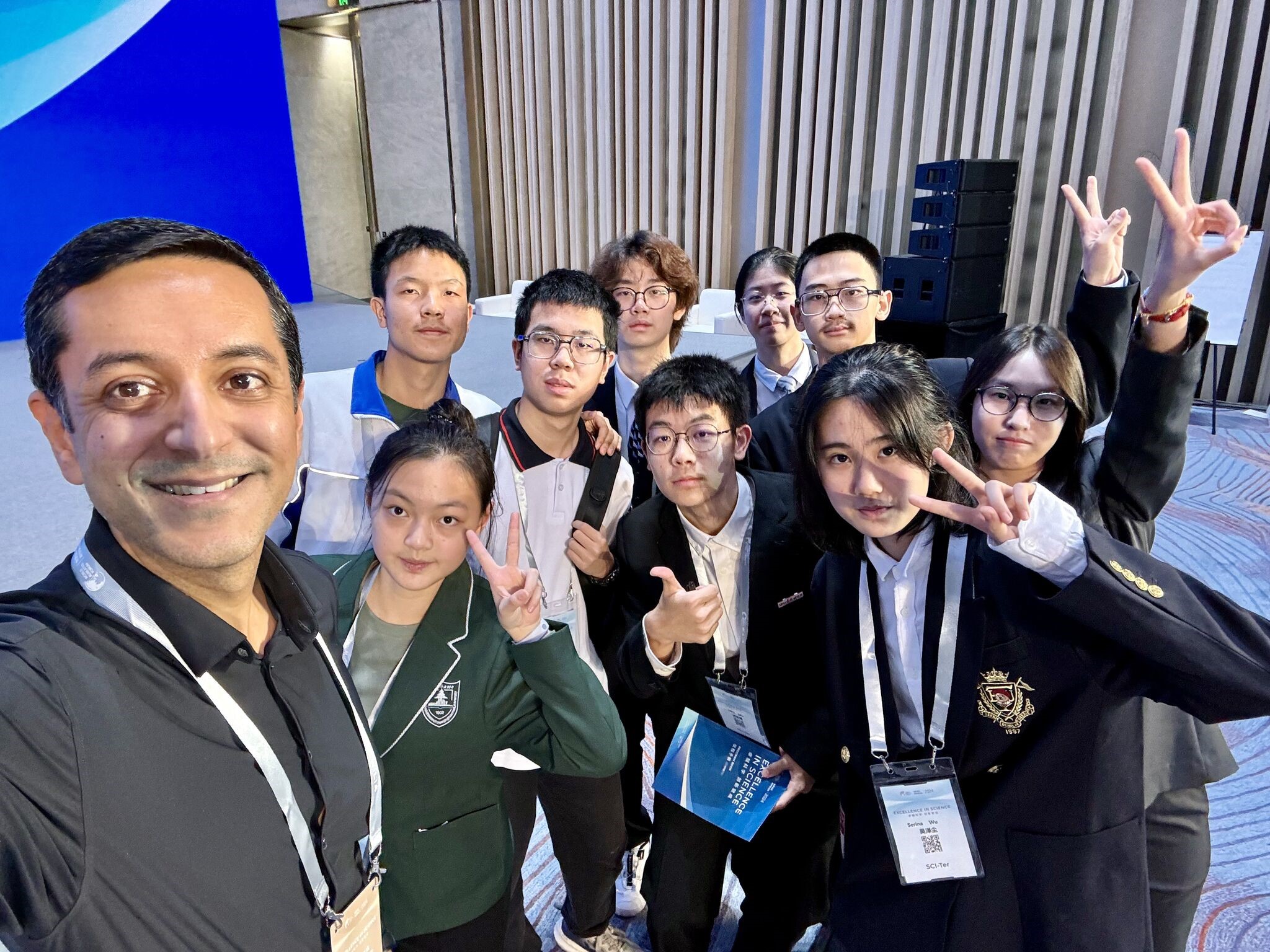
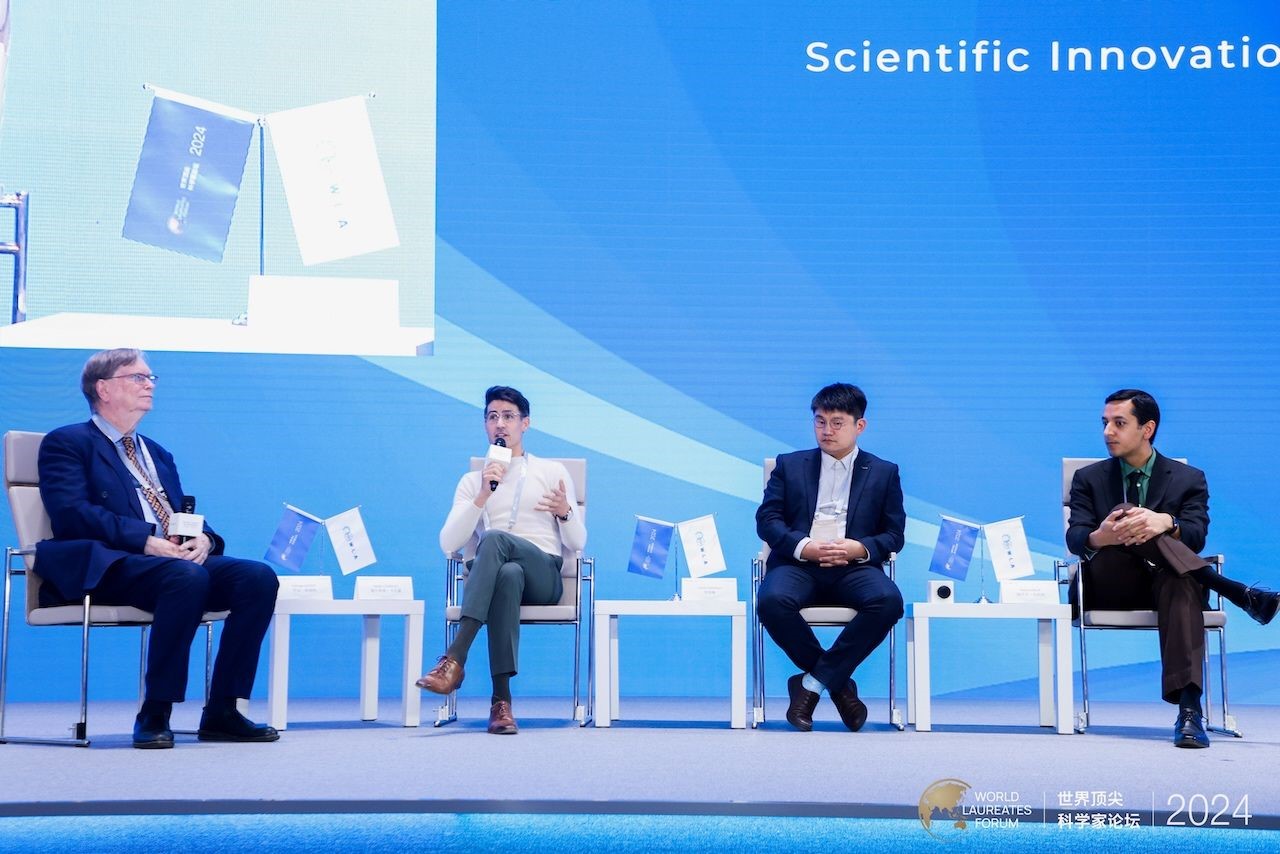
Prof. Mehul Malik was one of the speakers at the 3rd Edition of the World Laureates Forum in Shangai, China. The WLA is a one-of-a-kind scientific conference. It gathered over 50 prize-winners, including laureates of the Nobel Prize, Wolf Prize, Lasker Award, Turing Award, Breakthrough Award, MacArthur Fellowship and Fields Medal, as well as outstanding young scientists worldwide, and hundreds of Chinese academics and students.
Held under the theme “Science and Technology, for the Common Destiny of Mankind,” the annual WLF advocates for science worldwide, promoting the growth of young scientists and cross-border scientific cooperation. Beyond the exceptional quality and content of the conference, it offers a global platform that demonstrates international scientific dialogue must transcend geopolitical tensions, and we as scientists must strive to ensure that it does.
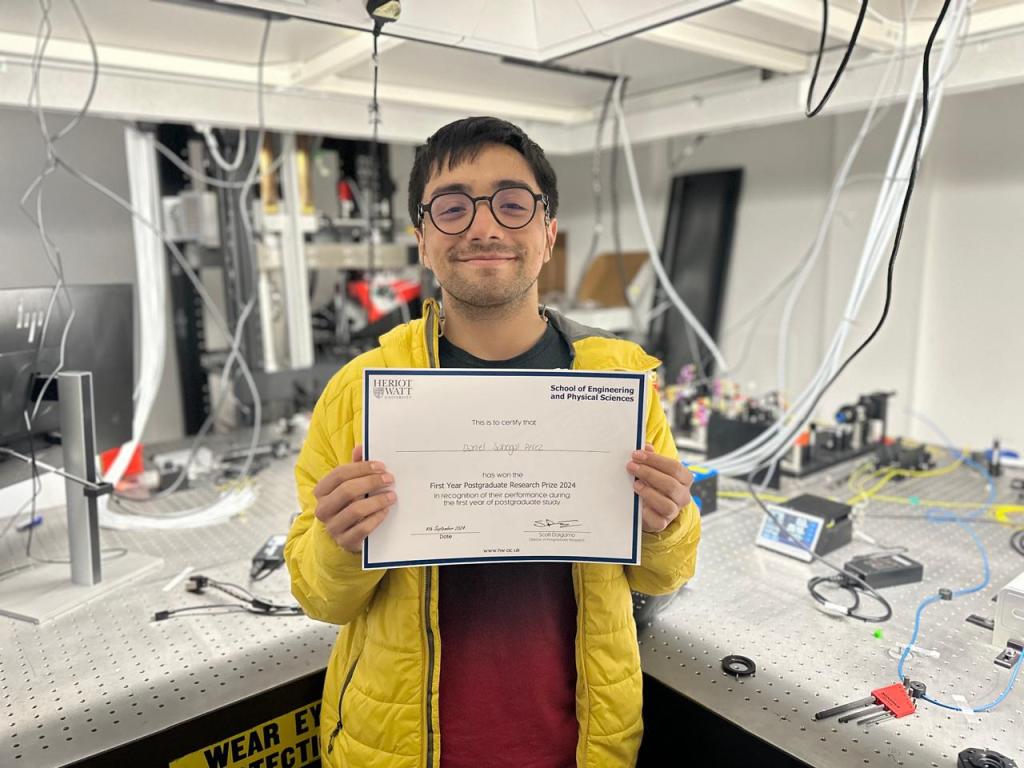
Big congrats to our dearest Daniel Sabogal !! His poster on “Decreasing Critical Detection Efficiency Via Parallelized Bell Tests” won the 1st Year Postgraduate Research Prize at Heriot-Watt University.
Stay tuned for more details of his amazing work, coming soon in winter 2024…
We are excited to announce our latest arXiv submission: “Certifying high-dimensional quantum channels” (https://arxiv.org/abs/2408.15880). High-dimensional quantum communication offers significant advantages like increased information capacity and enhanced noise resilience. But how do we reliably certify that a quantum channel can transmit this high-dimensional information?
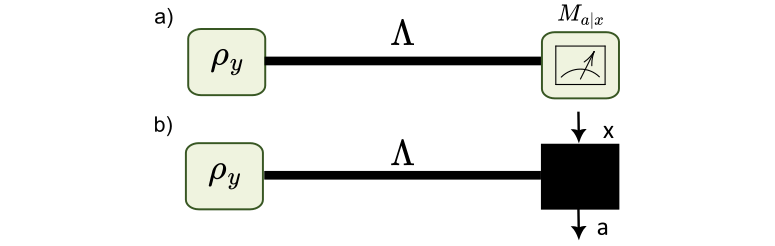
In our paper, we introduce novel, efficient methods for characterizing the dimensionality of quantum channels. Using a prepare-and-measure setup, we develop certification witnesses for both fully and partially trusted scenarios. We apply these methods to a photonic experiment, successfully certifying dimensionalities up to 59 through a commercial graded-index multi-mode optical fiber. Additionally, we provide detailed numerical simulations that model the noise behaviour of the fiber and explore more advanced certification techniques.
We developed witnesses for an unknown high-dimensional quantum channel Λ with: a) a fully trusted receiver’s device, and b) a partially trusted model.
Our work represents a key step towards robust, high-dimensional quantum communication systems. For more information, check out our full preprint!
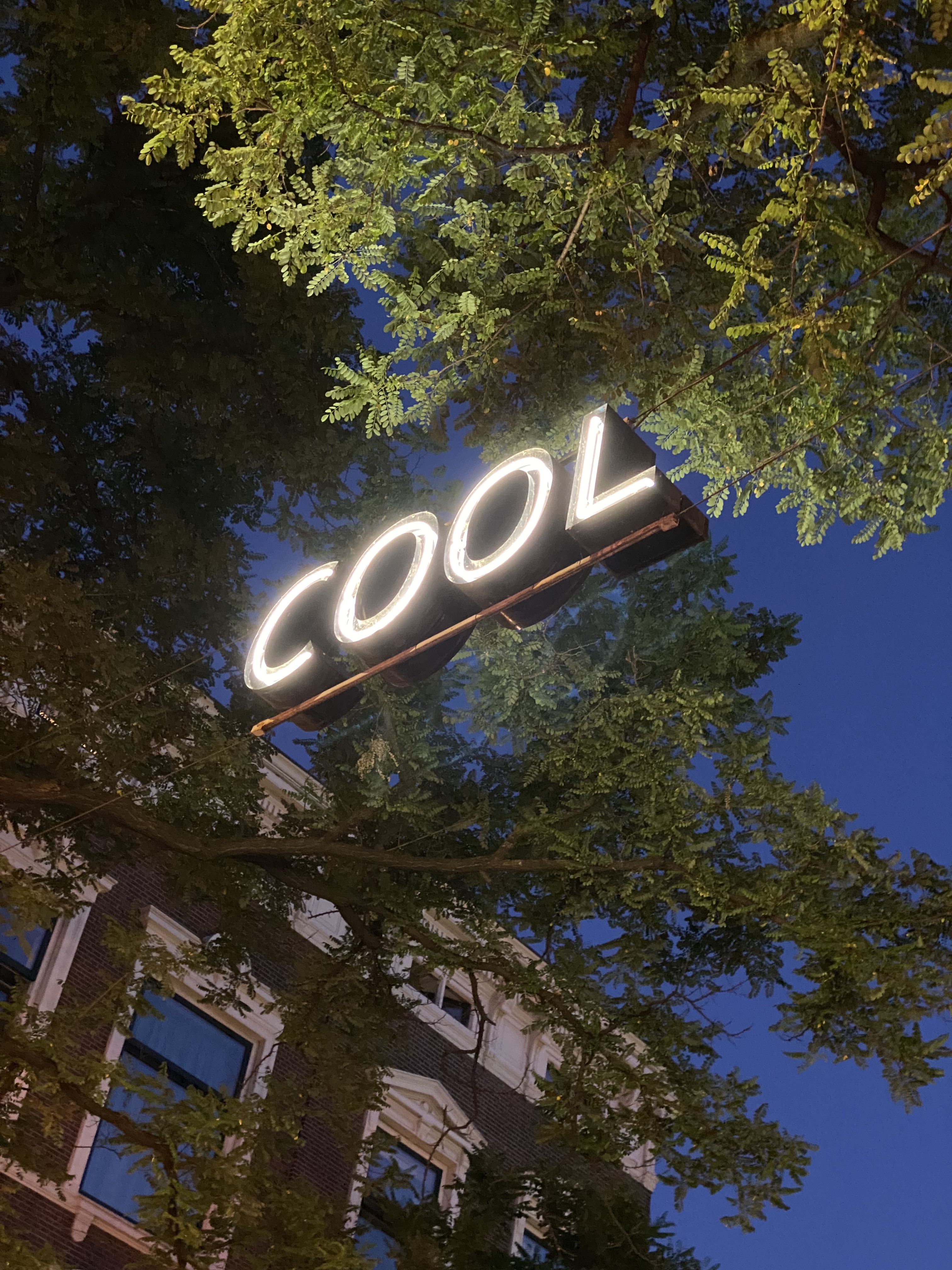
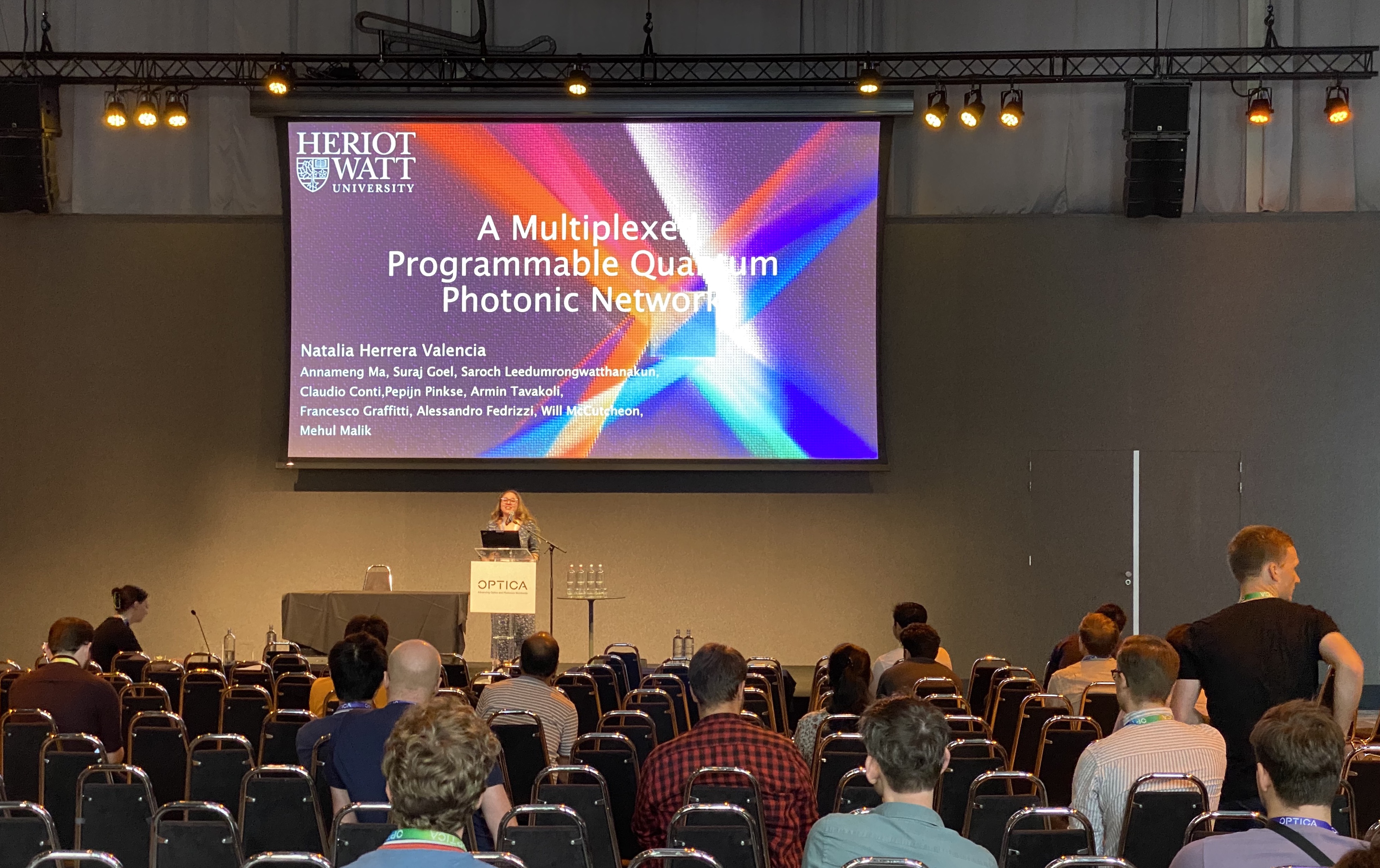
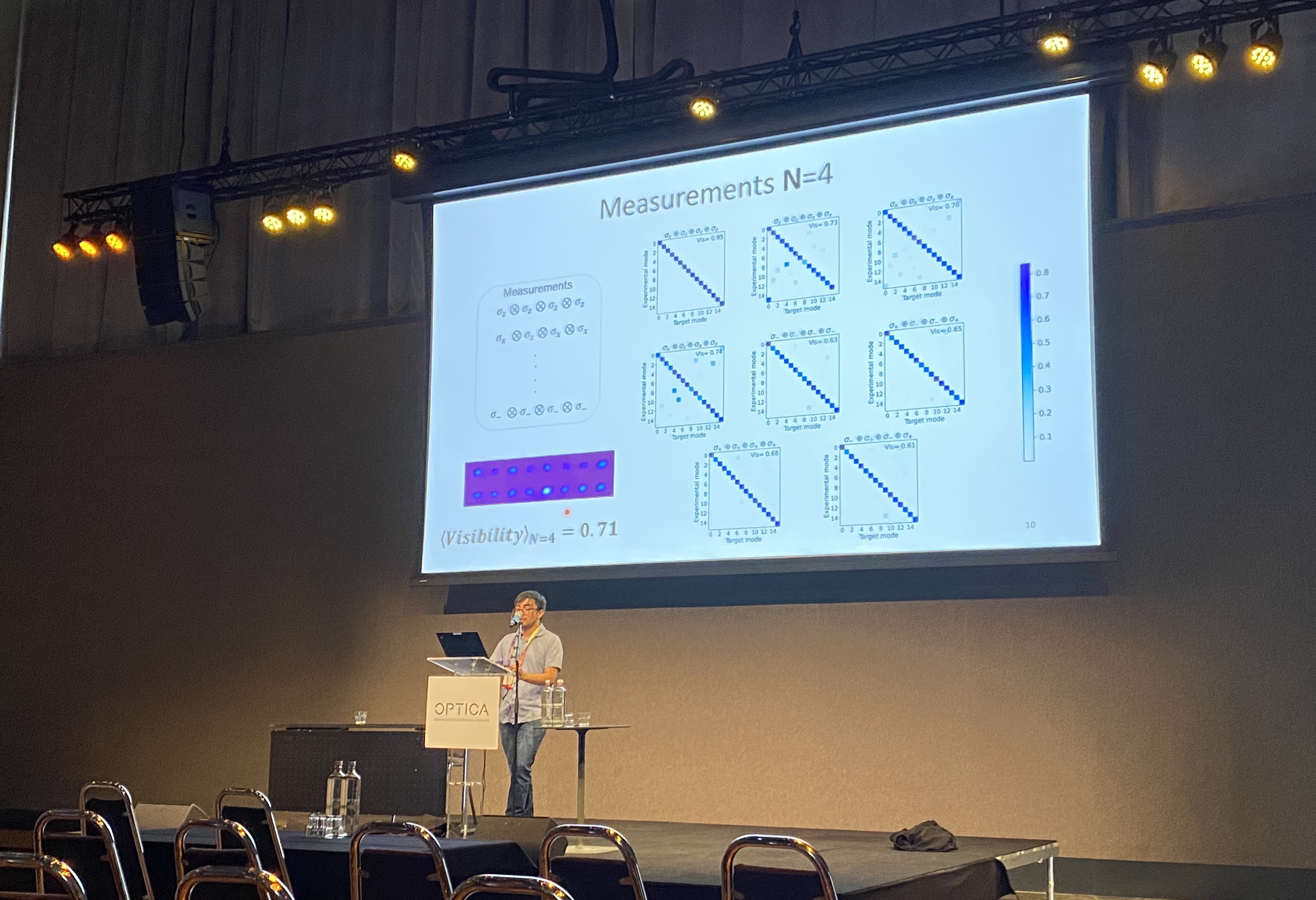
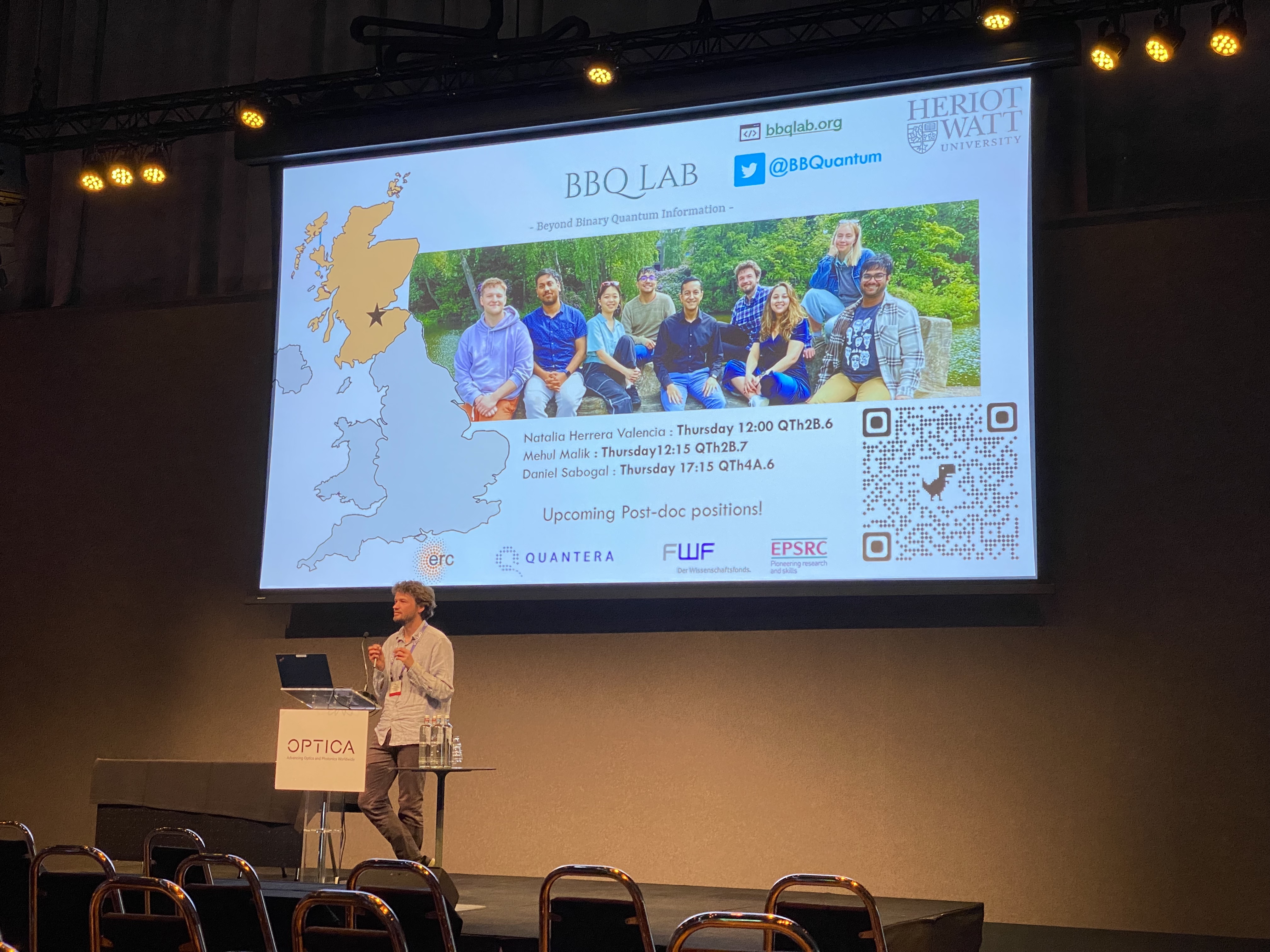
The BBQLab team had the pleasure of attending the Optica (OSA) conference Quantum 2.0 in Rotterdam, NL this June. We presented 4 talks and 2 posters from our group, and heard some fantastic presentations and tutorials on the frontier of quantum technology research. It was a very nice event that seamlessly brought together academia and industry in the cool city of Rotterdam (which even boasts a neighbourhood called the Cool district!)



 BBQ Lab