
Our team at BBQLab has travelled all over the world this summer to interesting conferences and events, many tied to the 100th anniversary of quantum mechanics! Here is a recap of all the BBQLab-attended events over these past few months:
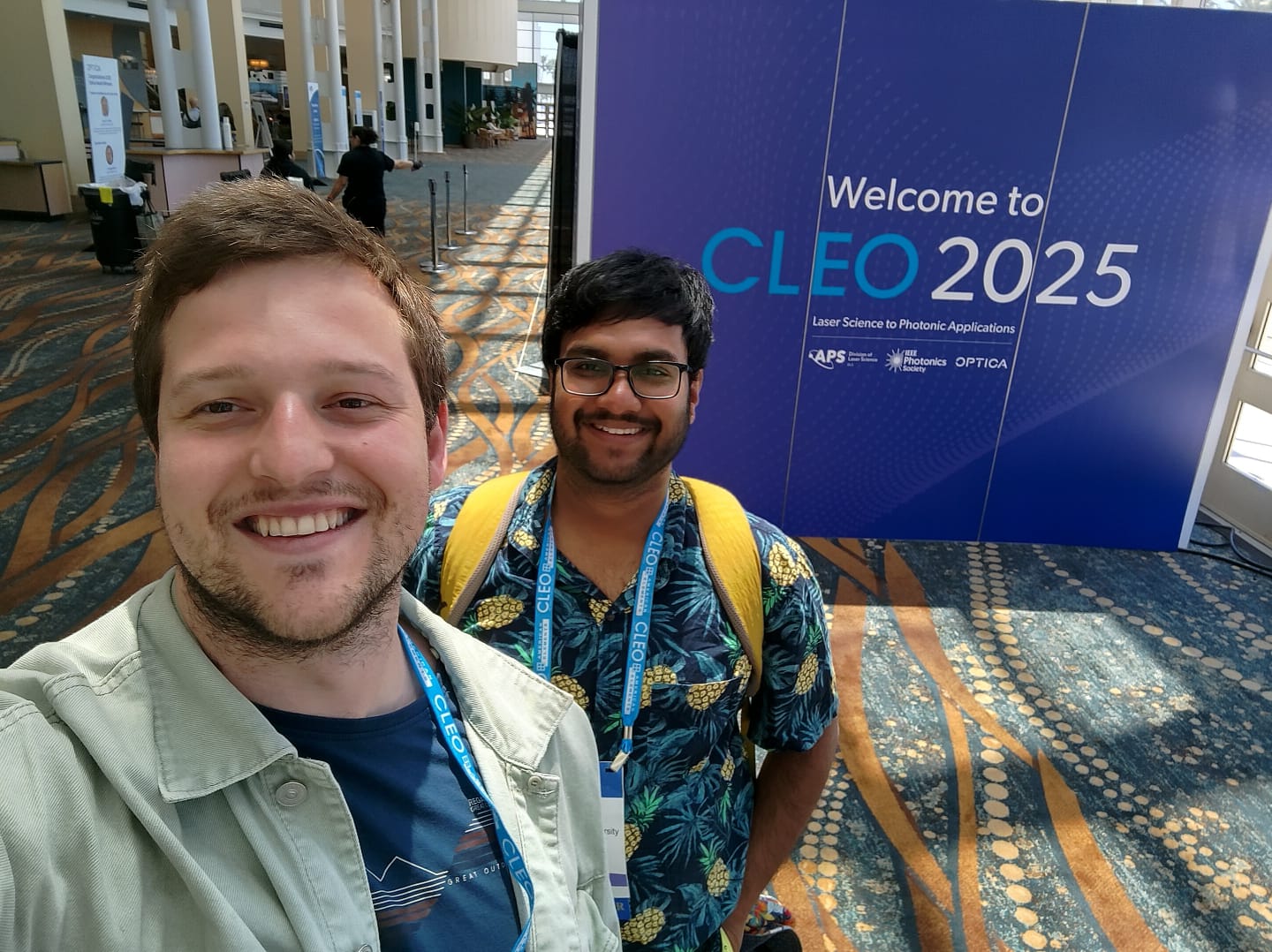
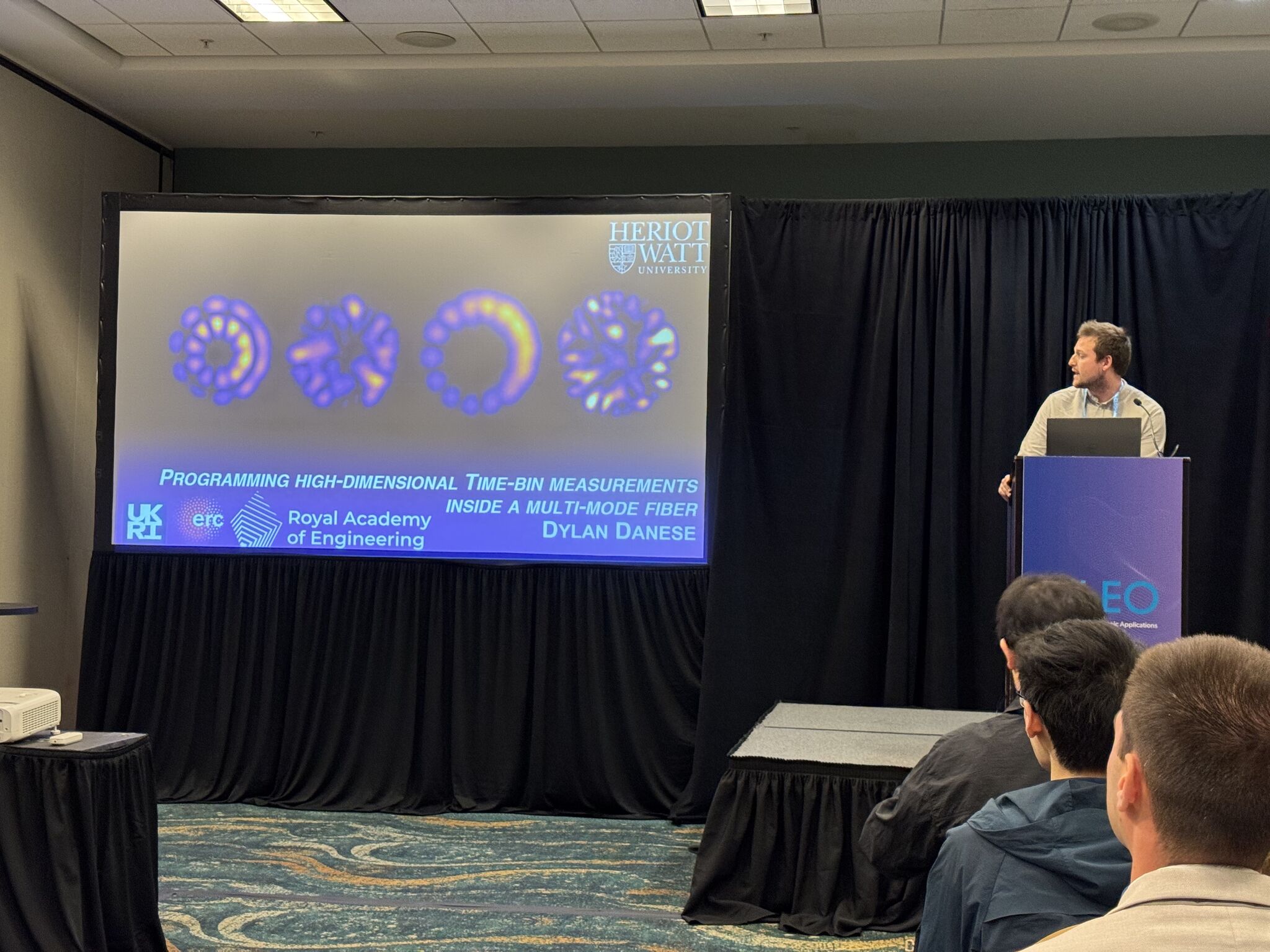
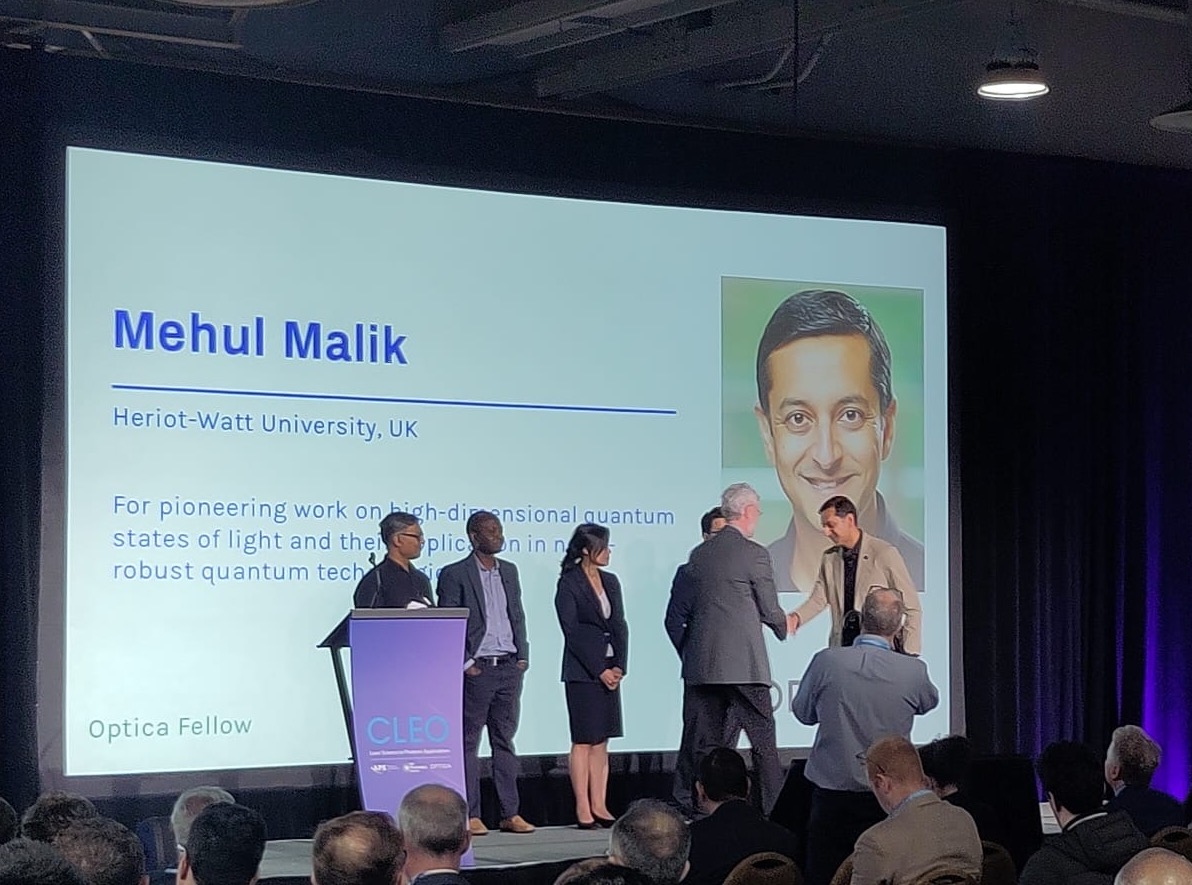
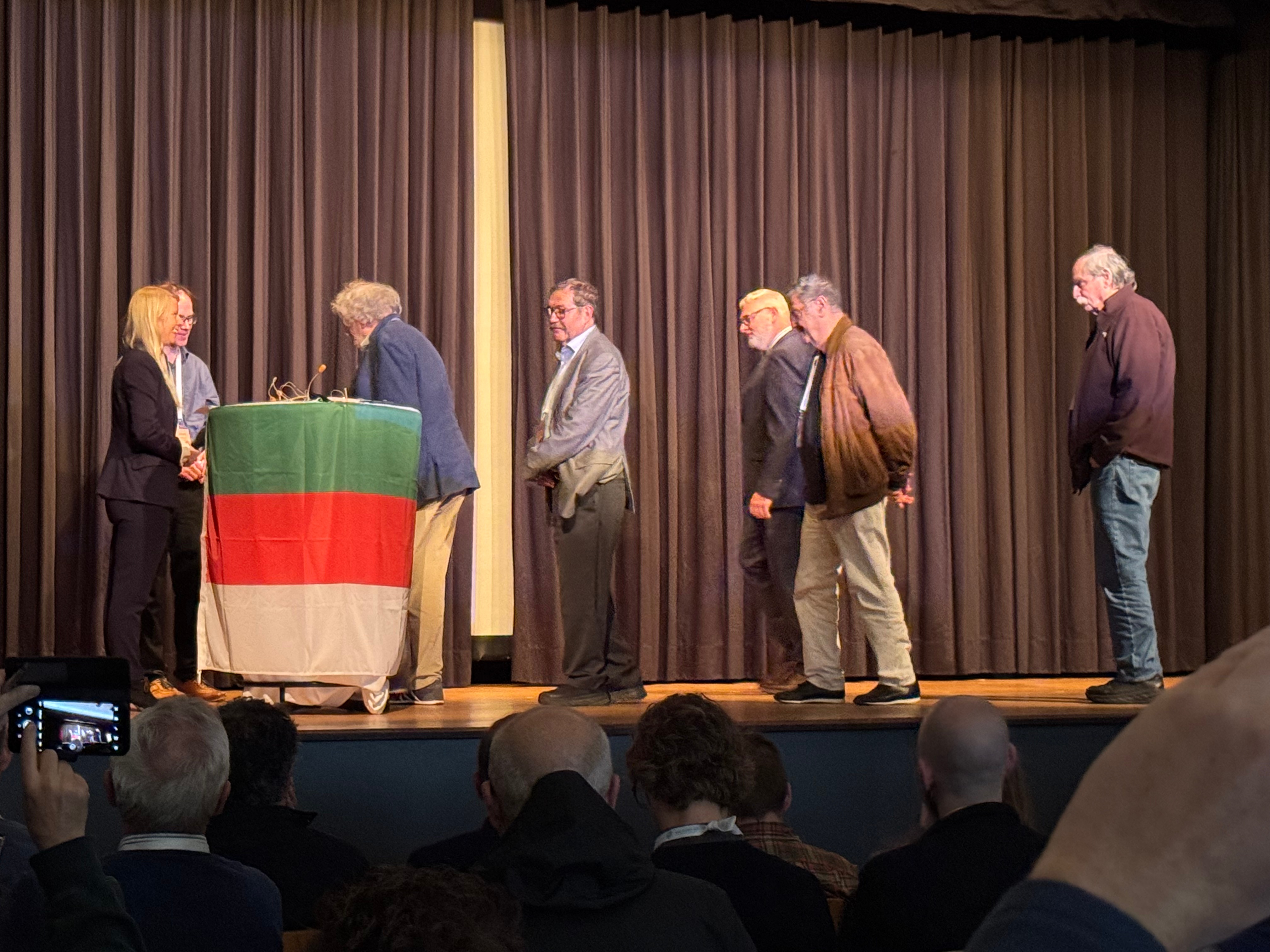
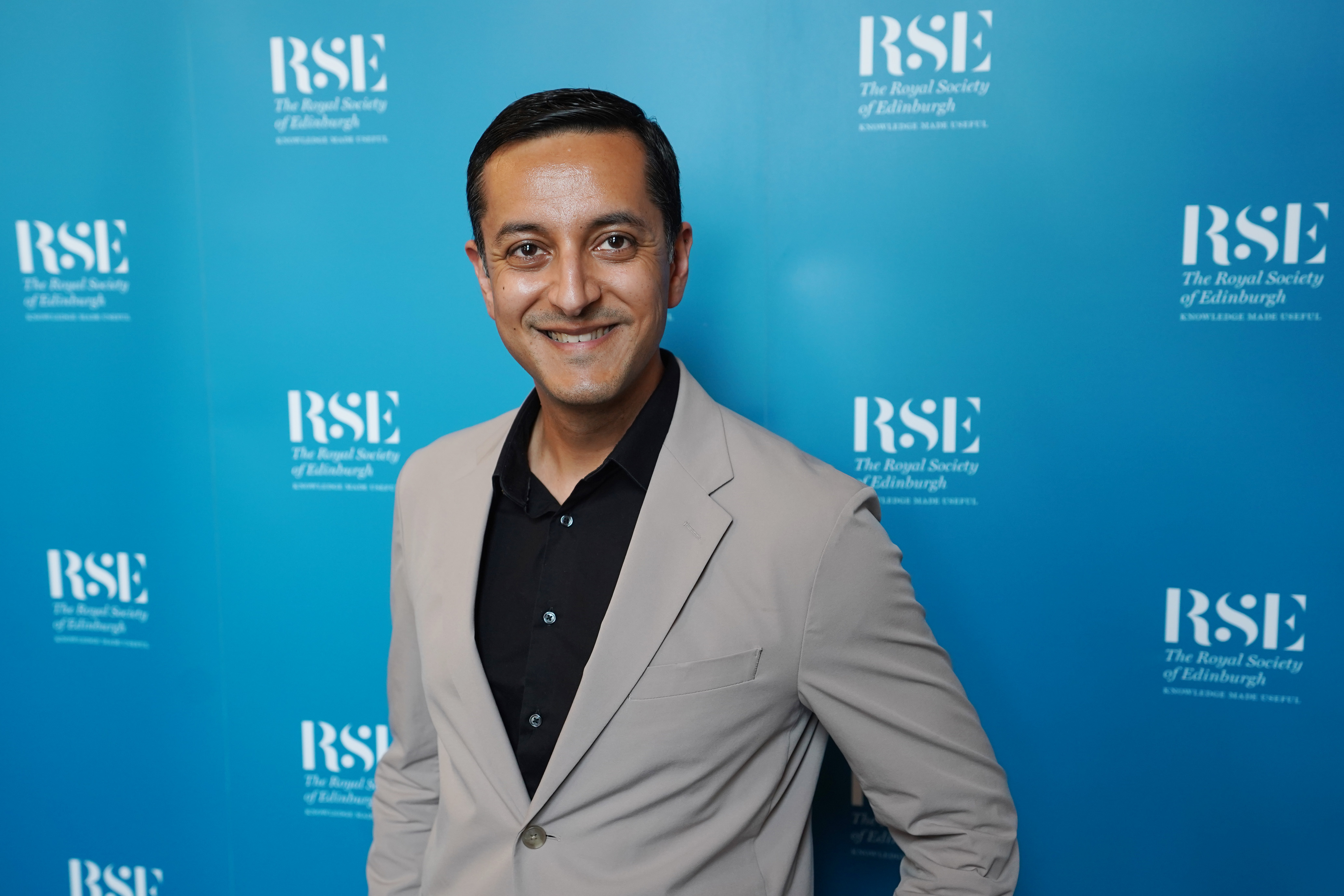
Dylan, Suraj, and Mehul traveled all the way to LA for CLEO US where they presented our work on time-bin measurements and quantum dot emitters. Both of our members gave wonderful talks to the attendees about the cutting-edge research that we do at BBQLab. Mehul also had the honour of receiving his Optica fellowship on stage in front of many old friends and colleagues!
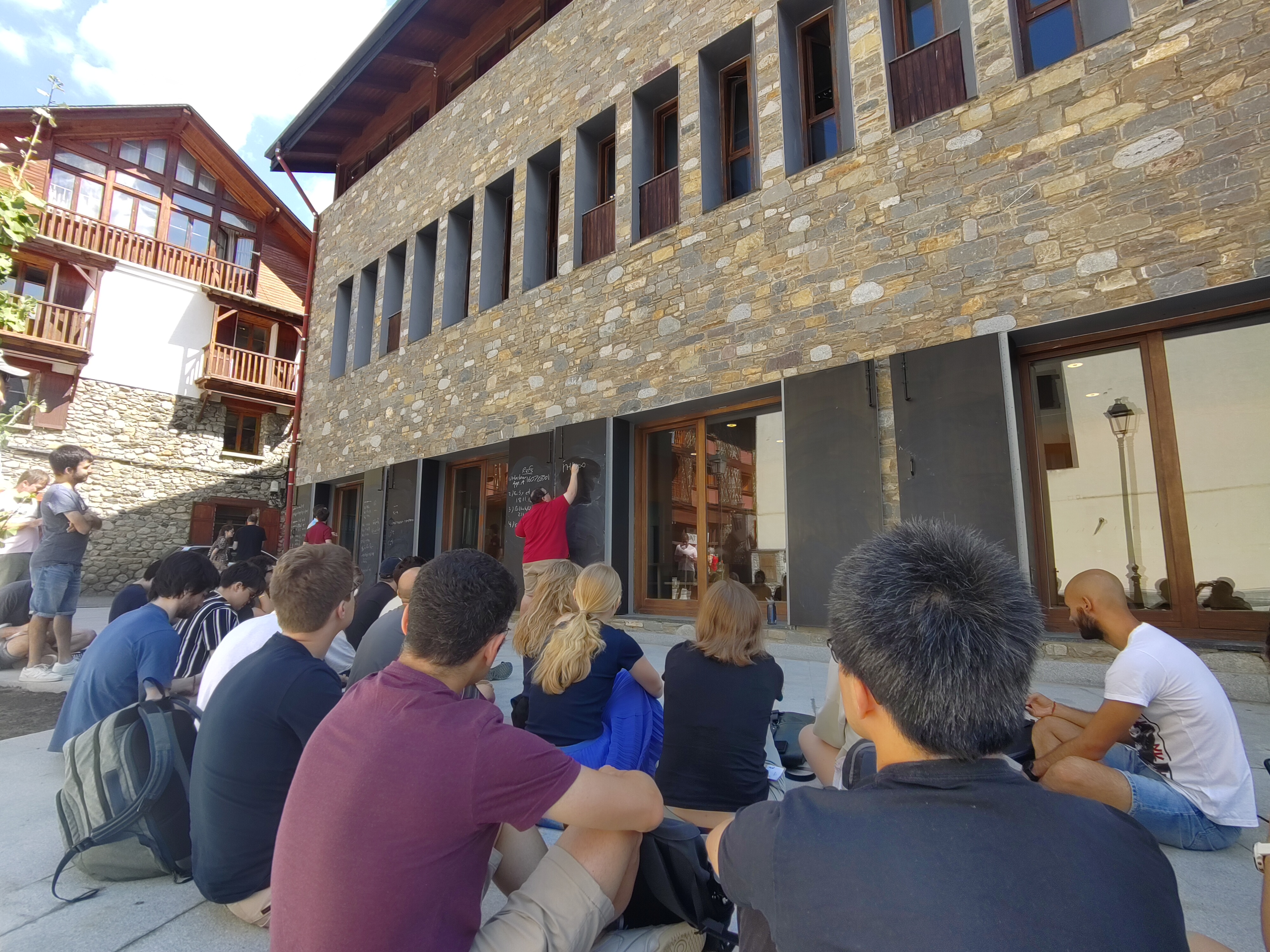
Will and Mariana went to Benasque, Spain, near beautiful Barcelona, for the Quantum Information Workshop that involved interesting discussions and ideas exchanged with peers from the theoretical world. Mariana initiated discussions about multi-photon entanglement distribution, while Will unsuccessfully looked around for the nearest skate park available!
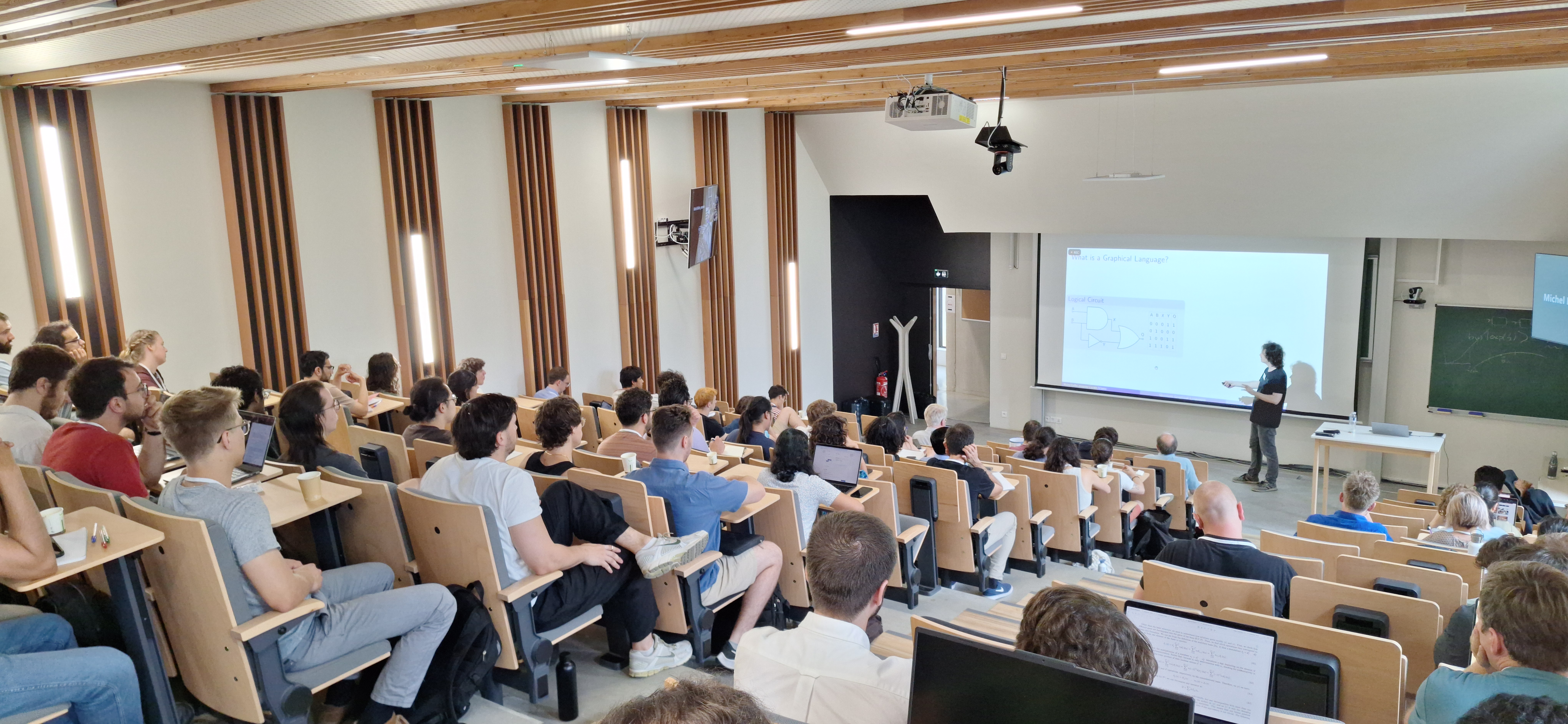
Miguel spent a week in Paris, where he attended the Mathematical Aspects of Quantum Information MAQI Summer School. In this school, he attended a series of lectures covering foundational aspects of Quantum Information such as simulation, estimation, communications and more!
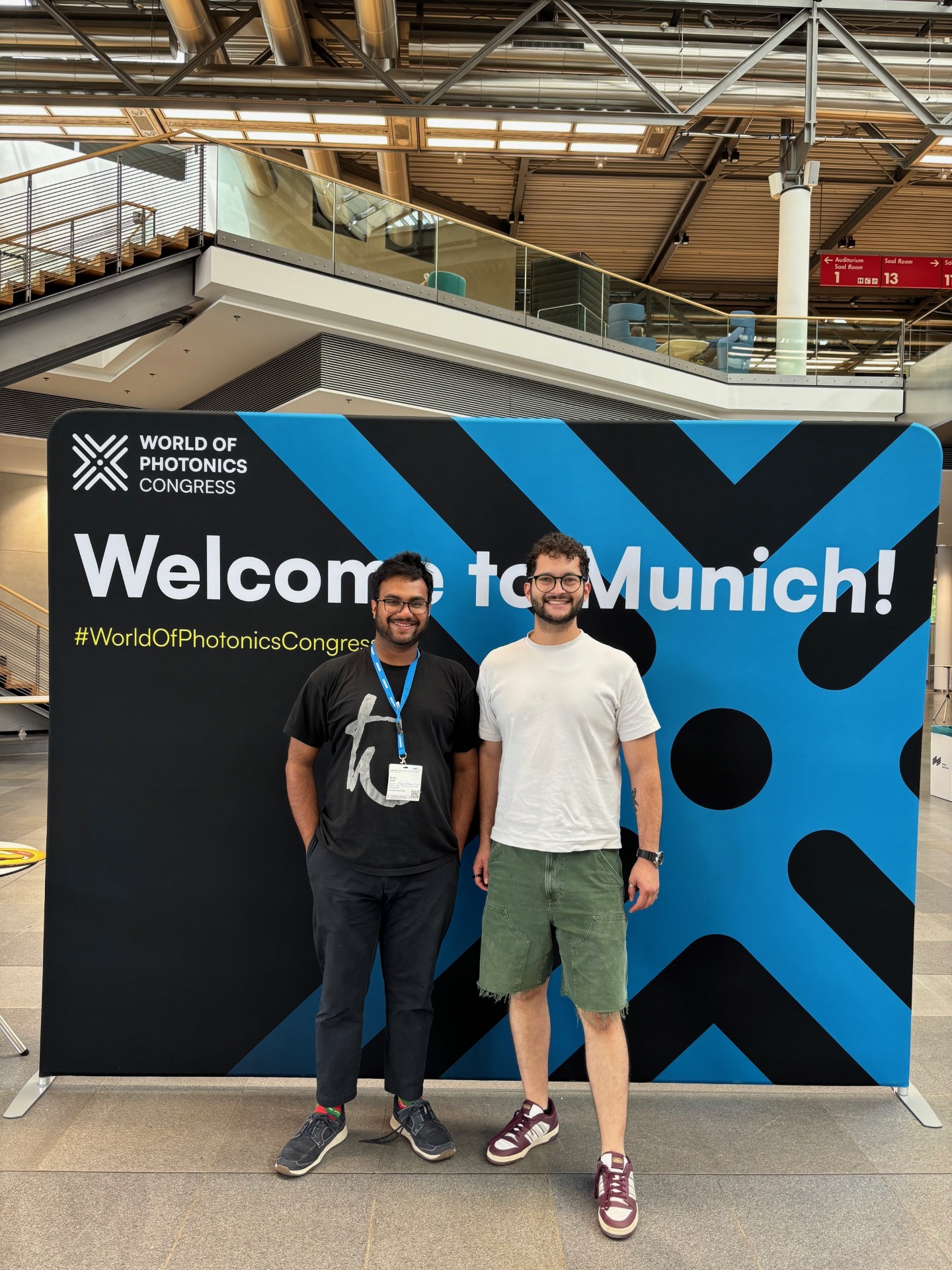
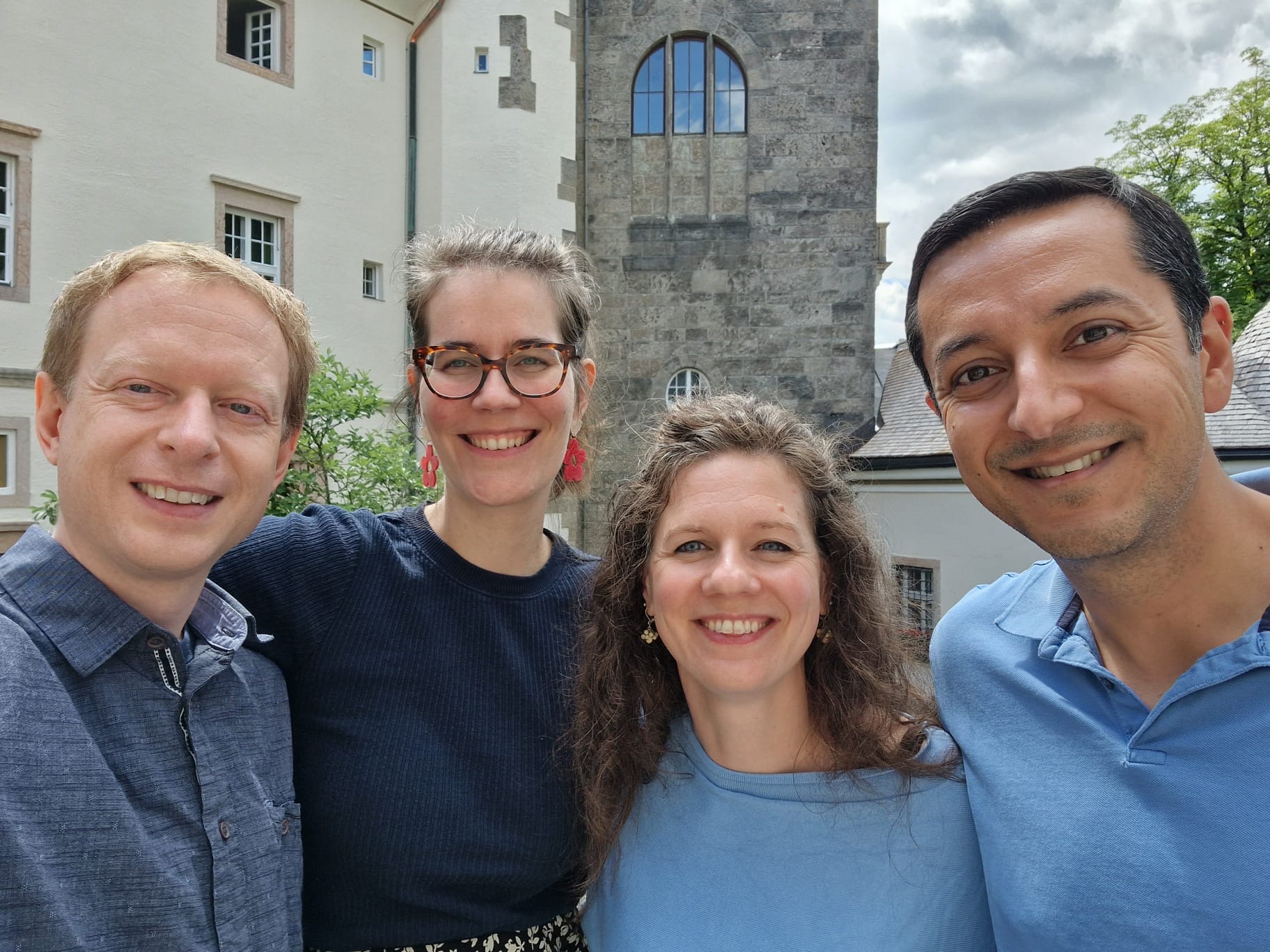
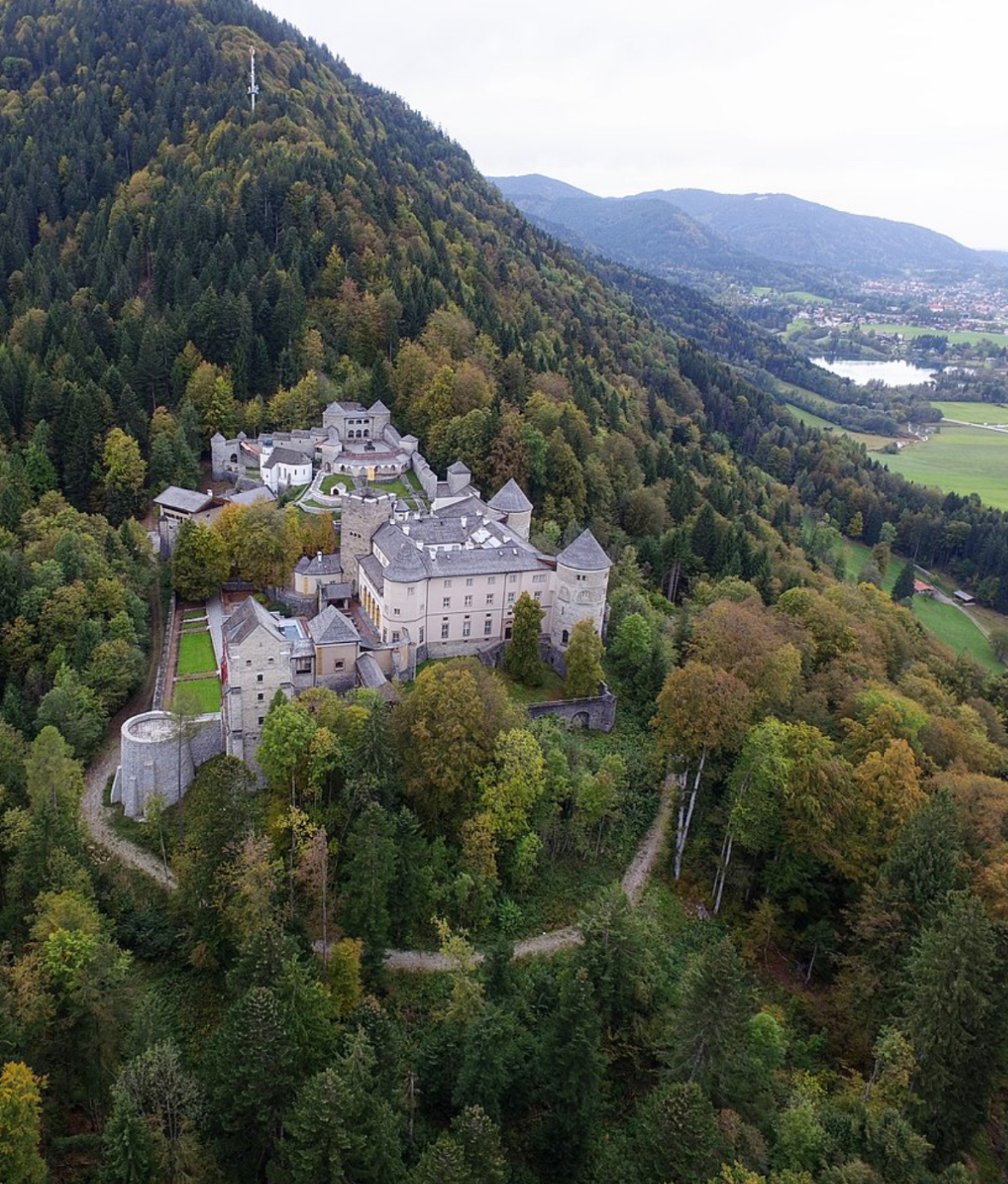
Suraj later accompanied Miguel to Munich for CLEO Europe, where he presented our work on large-scale entanglement networks and single-photon emitters. The massive venue presented itself as an opportunity for getting involved in science and industry, as networking with people from all over the world. Not too far away, Mehul had the privilege of attending the joint Max Planck group retreat of the Stiller, Fattahi, Del’Haye, and Kunst groups at the Ringberg Castle in Tegernsee, Bavaria. Incredibly beautiful with a fascinating history, Ringberg has inspired Mehul to hunt for suitable castles in Scotland to host our next group retreat 🙂
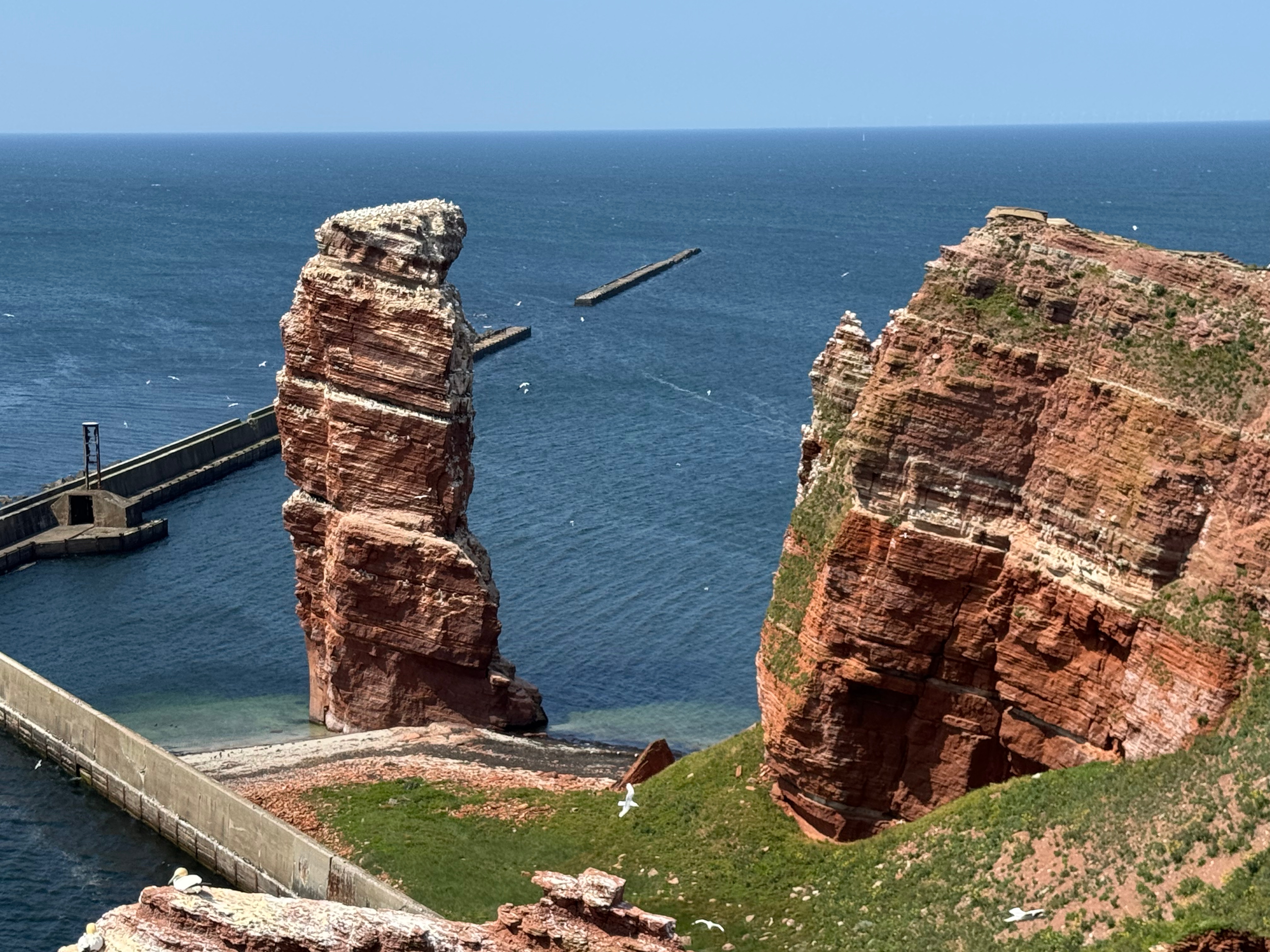
In the most Heisenberg-fashion, Mehul also attended a workshop at Helgoland for the celebration of 100 years of quantum amongst multiple known personalities of the quantum/physics world. It was a stunning conference to say the least, with topics ranging from quantum foundations, quantum gravity, to (you guessed it) high-dimensional quantum information!
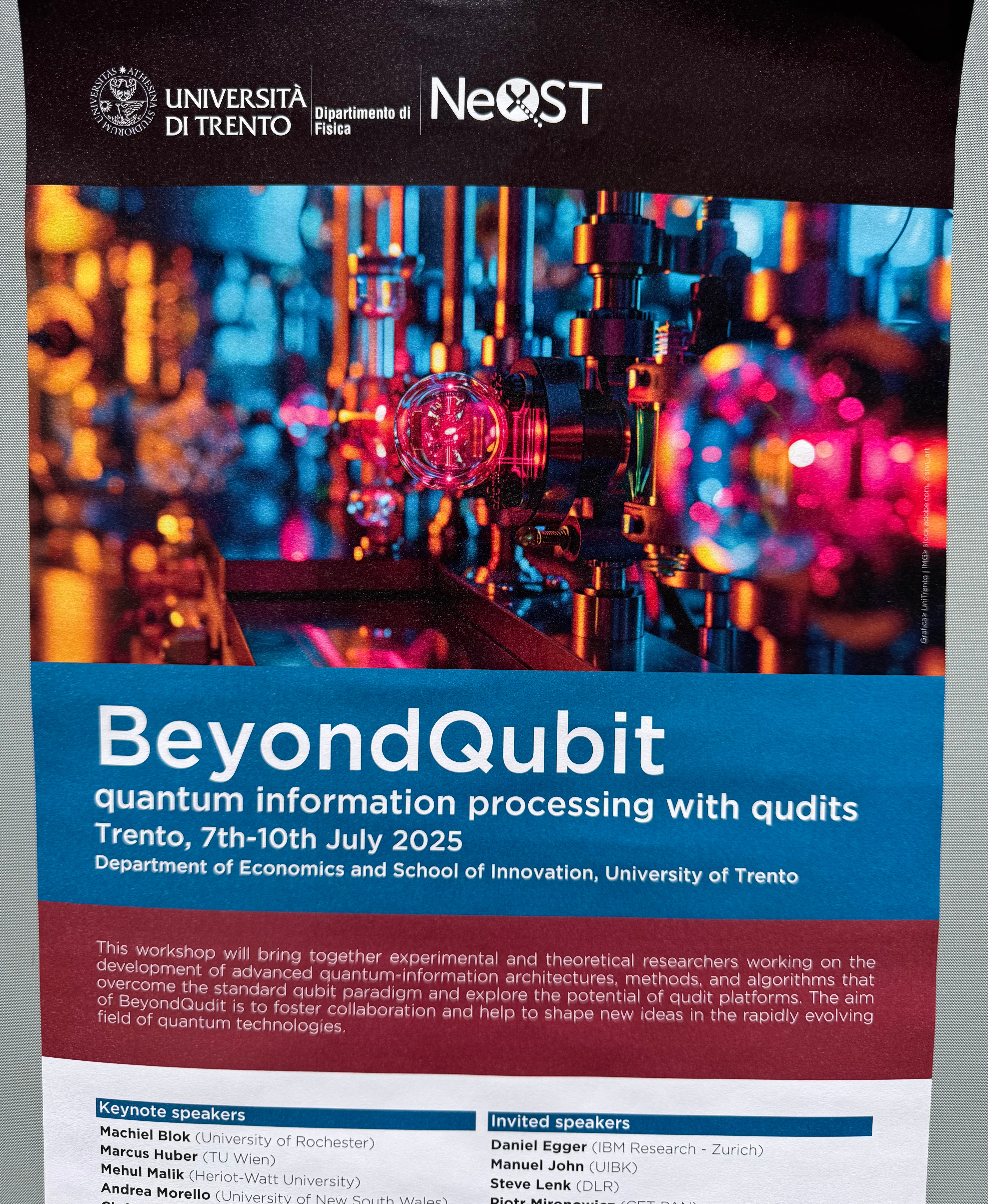
Last but not least, Mehul delivered a keynote talk at the BeyondQubit workshop on quantum information processing with qudits, held in beautiful Trento in the Italian alps. Mehul was surprised (and pleased) to be one of only three photonics researchers there, with the majority of attendees working in trapped ions, superconducting qudits, and quantum information theory. The qudit community is growing fast, and we can only imagine what the future holds!


 BBQ Lab